

Why You Burn in the Sun (And It’s Not Just About SPF)
The Missing Step Before Midday Exposure

New here? Start with this guide.
Most people think sunburn is simple.
Too much sun.
Not enough sunscreen.
Skin damage.
But that explanation is incomplete.
If sunlight were inherently dangerous, outdoor cultures would not have thrived for thousands of years without chemical protection.
Burning is not random.
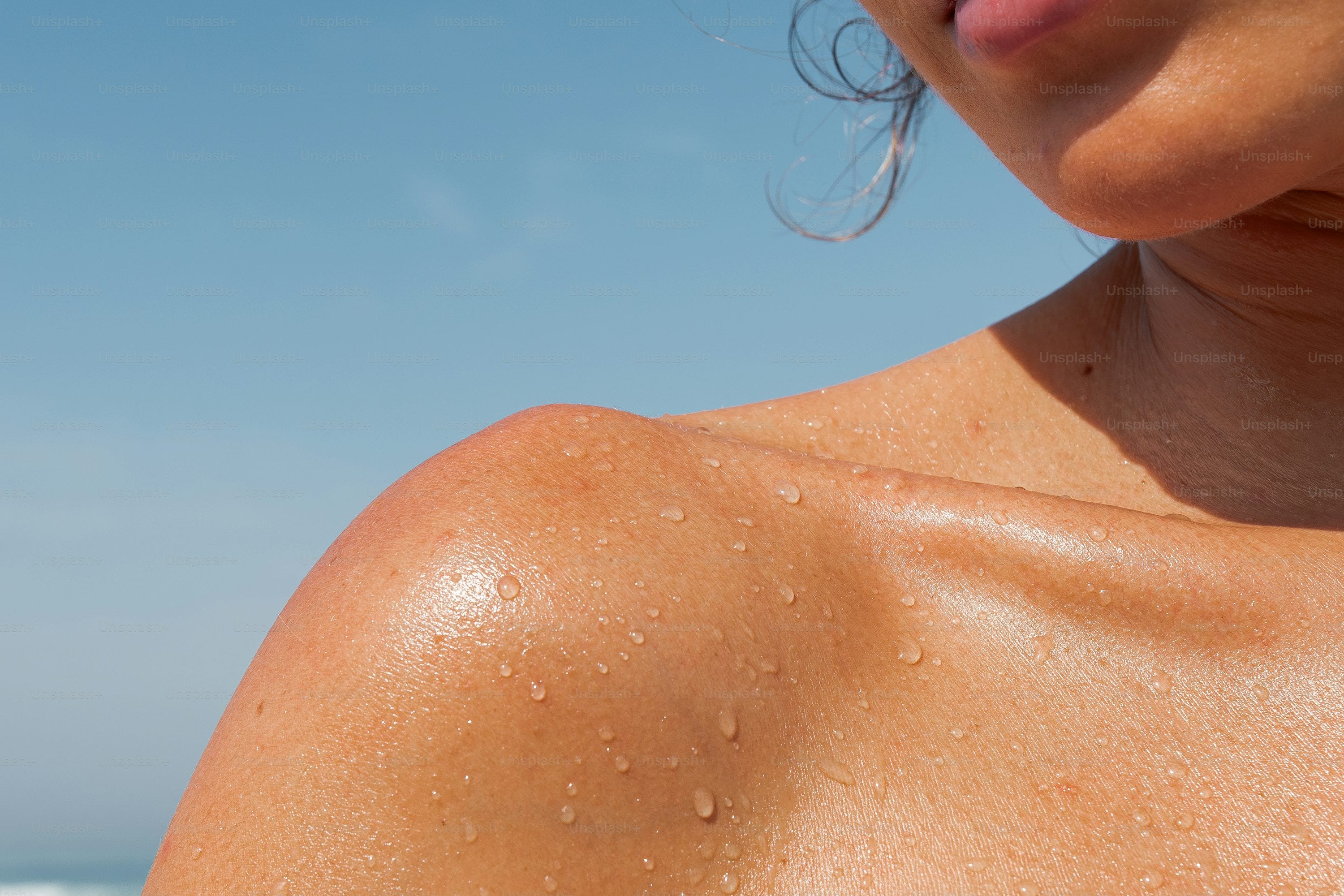
The Problem Isn’t the Sun
Sunlight is not one thing.
It is a spectrum of changing frequencies that shift from morning to midday to evening.
Morning sunlight is heavy in infrared.
Midday sunlight contains more ultraviolet.
Evening shifts back toward longer wavelengths.
Most people skip the first part.
They stay indoors all morning, then walk outside at noon.
That is like lifting the heaviest weight in the gym without warming up.
Your biology expects progression.
What Actually Happens When You Burn
Ultraviolet light excites electrons in your skin.
If your cells can manage that excitation efficiently, adaptation occurs:
Melanin increases
Skin darkens gradually
Tolerance improves
If your system is unprepared, reactive stress rises faster than your body can buffer it.
The result is inflammation.
That inflammation is what we call sunburn.
It is not proof that sunlight is toxic.
It is proof that adaptation was skipped.
The Step Most People Miss: Morning Light
Infrared light in the morning does several important things:
Increases blood flow
Supports cellular hydration
Primes mitochondrial function
Prepares tissues for stronger exposure
When you go outside at sunrise or early morning, you are preparing your biology for later UV exposure.
When you skip morning light and jump into midday sun, your system is unprepared.
Capacity matters more than intensity.
Why Sunscreen Isn’t the Full Solution
Sunscreen can reduce burning.
But it does not build capacity.
Blocking all ultraviolet every time prevents the gradual adaptation that increases tolerance.
This does not mean you should avoid protection entirely.
It means protection without adaptation does not solve the underlying issue.
The goal is resilience, not avoidance.
The Indoor Trap
Modern life weakens sunlight tolerance.
Most people:
Wake indoors
Spend the day under artificial light
Rarely expose skin to natural sunlight
Avoid gradual seasonal exposure
Then they go on vacation and spend hours in intense tropical sun.
Burning is common not because the sun changed.
Because exposure pattern changed suddenly.
Your biology adapts slowly.
Artificial environments disrupt that process.
A Simple Rule to Start With
Never make midday your first exposure of the day.
If you plan to be outside at noon:
Get outside in the morning first
Spend at least 10 to 20 minutes in early light
Expose skin gradually
Increase duration slowly over days
Think of sunlight like training.
You do not begin with maximum load.
Signs You’re Building Tolerance
When adaptation begins:
Skin darkens gradually without redness
Recovery from long sun days improves
Sleep deepens after sun exposure
Heat tolerance increases
This is capacity being built.
Not forced.
The Bigger Picture
Sunlight influences:
Sleep timing
Mood stability
Appetite regulation
Hormone rhythm
Metabolic flexibility
Avoiding it entirely because of burning ignores the upstream issue.
The issue is not sunlight.
It is mismatch between modern light habits and natural progression.
If This Sounds Different
There is a structured way to build what could be called a “UV callus”:
Infrared foundation
Gradual minute increases
Seasonal awareness
Membrane preparation
Travel adjustments
But it starts with a simple shift in thinking.
Burning is not a random accident.
It is usually a skipped step.
If you’re curious about the deeper environmental biology behind this — particularly how light and cellular energy interact — I explore the full framework in my book The Sunlight Cure.
Follow elsewhere:
YouTube: https://www.youtube.com/@unlearn.health
Instagram: https://instagram.com/unlearnhealth_
TikTok: https://www.tiktok.com/@unlearn.health
X / Twitter: https://x.com/UnlearnHealth_